In the fitness world there is a lot misinformation and myths surrounding diets and one of the most common ones I hear is that ‘Carbs make you fat.’ First off, I don’t like the word fat because it is inherently negative and not scientific to say the least except when referring to fats as a macronutrient. I prefer to use the term overweight because it gives a specific, measurable description of a person’s overall physiological health.
Getting off my soap box, it’s not carbs that cause people to become overweight. Gaining weight is typically the result of consuming more calories than are expended and gradually people become overweight. Carbohydrates, or carbs, are the body’s preferred source of energy and one of the three major macronutrients; the others being protein and fats. Most of the time when people refer to carbs, they are talking about bread, pasta and potatoes but in actuality, the term carbohydrate encompasses a lot more. So what are carbs?
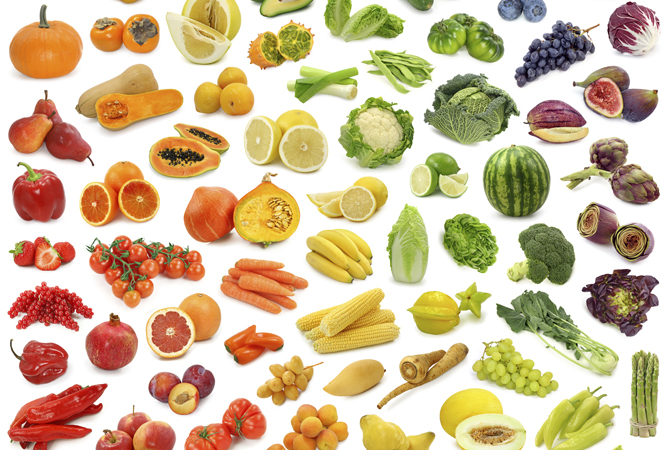
In scientific terms, carbohydrates are compounds made up of carbon, hydrogen, and oxygen atoms. They come in many forms but can be classified mainly by their end products or what they break down to which are sugars like glucose and fructose, starches, and fibers. Carbs can be found in a lot of different foods and some are better for you than others. In addition to bread, rice, and pasta which are what I like to call processed carbs, there are also unprocessed carbs that can be found in fruits, vegetables, beans, nuts, and other legumes as well as whole grains like oats and quinoa.
Unprocessed carbs are healthier for you as they are still in their original form whereas processed carbs have been stripped of their natural fiber decreasing the time it takes to absorb them into the bloodstream. The rate of absorption is important because of the effect on blood sugar levels and over time if those levels are consistently high it can lead to serious health problems like atherosclerosis (the hardening of blood vessels), diabetes, obesity, and metabolic syndrome. Also it is worth mentioning that even though the body cannot digest most fiber, it still plays an important role in keeping your intestines functioning properly and helps with bowel movements which are crucial to your overall health. So what does it all mean?
Whether or not to eat carbs and how much you need is different for each person. It is recommended that carbs should amount to just over half of your daily caloric intake. For people looking to gain weight, build muscle or who are very active, carbs are your best friend. Without carbs, your body will begin to break down the protein in your muscles; essentially eating itself from the inside out. However, some people may find that certain carbs do not agree with them like people who are allergic to gluten, and so should avoid those food items whenever possible. Also, people diagnosed with Type II diabetes should restrict their carb intake to prevent blood sugar levels from spiking. Still, even if weight loss is the goal carbs can be beneficial to your diet as long as they are healthy foods and not full of processed sugar as they cause you to feel full longer (satiety), decreasing hunger cravings. Remember, carbs are an excellent source of energy and can be the difference between powering through a workout and hitting the wall.
 Wit's End Holistic Health and Fitness